

Understanding How Anxiety Can Manifest as Physical Symptoms
- Emily Fry
- Jul 9
- 3 min read

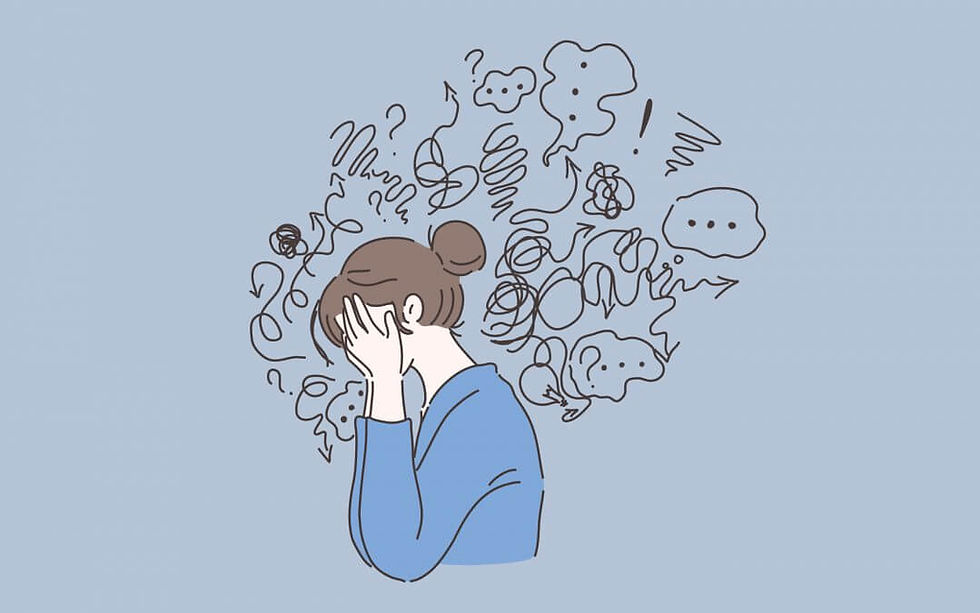
Anxiety is often thought of as a mental or emotional experience, but it frequently shows up in the body as well. Many people do not realize that physical symptoms can be a direct result of anxiety. This connection can make it difficult to identify the root cause of discomfort, leading to confusion and frustration. Understanding how anxiety affects the body can help individuals recognize these signs early and seek appropriate support, such as anxiety therapy, to manage both mental and physical health.
How Anxiety Affects the Body
When the brain senses danger, it triggers the body's fight-or-flight response. This reaction prepares the body to face or escape a threat by releasing stress hormones like adrenaline and cortisol. While this response is helpful in short bursts, chronic anxiety keeps the body in a heightened state of alert. Over time, this can cause a range of physical symptoms.
Some common physical symptoms linked to anxiety include:
Rapid heartbeat or palpitations
Muscle tension or aches
Shortness of breath or hyperventilation
Sweating or chills
Digestive issues such as nausea or diarrhea
Dizziness or lightheadedness
Headaches or migraines
Fatigue or weakness
These symptoms can mimic other medical conditions, which is why many people first visit doctors for physical complaints before anxiety is considered.
Examples of Anxiety Manifesting Physically
Consider Sarah, who experienced frequent stomach pain and nausea. After several medical tests showed no physical illness, her doctor suggested anxiety might be the cause. Once Sarah began anxiety therapy, she learned techniques to manage her stress, and her stomach issues gradually improved.
Another example is Mark, who had episodes of chest tightness and rapid heartbeat. He feared a heart problem, but cardiology tests were normal. Anxiety therapy helped Mark understand that his symptoms were linked to panic attacks, a form of anxiety, and he learned breathing exercises to reduce the intensity of his symptoms.
These cases highlight how anxiety can cause real, distressing physical symptoms that improve with proper mental health care.
Why Physical Symptoms Can Make Anxiety Hard to Recognize
Physical symptoms often lead people to focus on their bodies rather than their minds. This can delay seeking help for anxiety because:
Symptoms feel more urgent or alarming than emotional distress.
People may not connect physical discomfort with anxiety.
Stigma around mental health can discourage discussing anxiety openly.
Medical tests may rule out physical illness, but symptoms persist.
Recognizing that anxiety can cause physical symptoms is a crucial step toward effective treatment.
How Anxiety Therapy Helps with Physical Symptoms
Anxiety therapy addresses both the mental and physical aspects of anxiety. Techniques used in therapy include:
Cognitive-behavioral therapy (CBT) to change negative thought patterns that fuel anxiety.
Relaxation exercises such as deep breathing and progressive muscle relaxation to reduce muscle tension and calm the nervous system.
Mindfulness practices to increase awareness of the present moment and reduce worry.
Exposure therapy to gradually face anxiety triggers and reduce avoidance behaviors.
By learning to manage anxiety, individuals often see a reduction in physical symptoms. Therapy also equips people with tools to handle future anxiety episodes before they escalate.
Practical Tips to Manage Physical Symptoms of Anxiety
Alongside therapy, some practical steps can help ease physical symptoms:
Regular exercise to release tension and improve mood.
Balanced diet to support overall health and reduce digestive issues.
Adequate sleep to restore energy and reduce fatigue.
Limiting caffeine and alcohol which can worsen anxiety symptoms.
Practicing breathing exercises during moments of stress to control rapid heartbeat and shortness of breath.
Keeping a symptom journal to track physical signs and identify anxiety triggers.
These habits support both body and mind, making anxiety easier to manage.
When to Seek Professional Help
If physical symptoms persist without a clear medical cause, or if anxiety interferes with daily life, it is important to seek professional help. Anxiety therapy can provide personalized strategies and support. Early intervention often leads to better outcomes and improved quality of life.


Comments