

Unveiling the Unseen: How Trauma Impacts Cognitive Functioning
- Emily Fry
- 43 minutes ago
- 3 min read

Trauma leaves marks that go beyond visible scars or emotional pain. Many people who have experienced trauma find themselves struggling with memory lapses, difficulty concentrating, or feeling mentally foggy. These cognitive effects often remain hidden, making it harder to understand the full impact of trauma on daily life. This post explores how trauma affects the brain’s cognitive functions and offers practical insights for those seeking to regain mental clarity and strength.
How Trauma Alters Brain Function
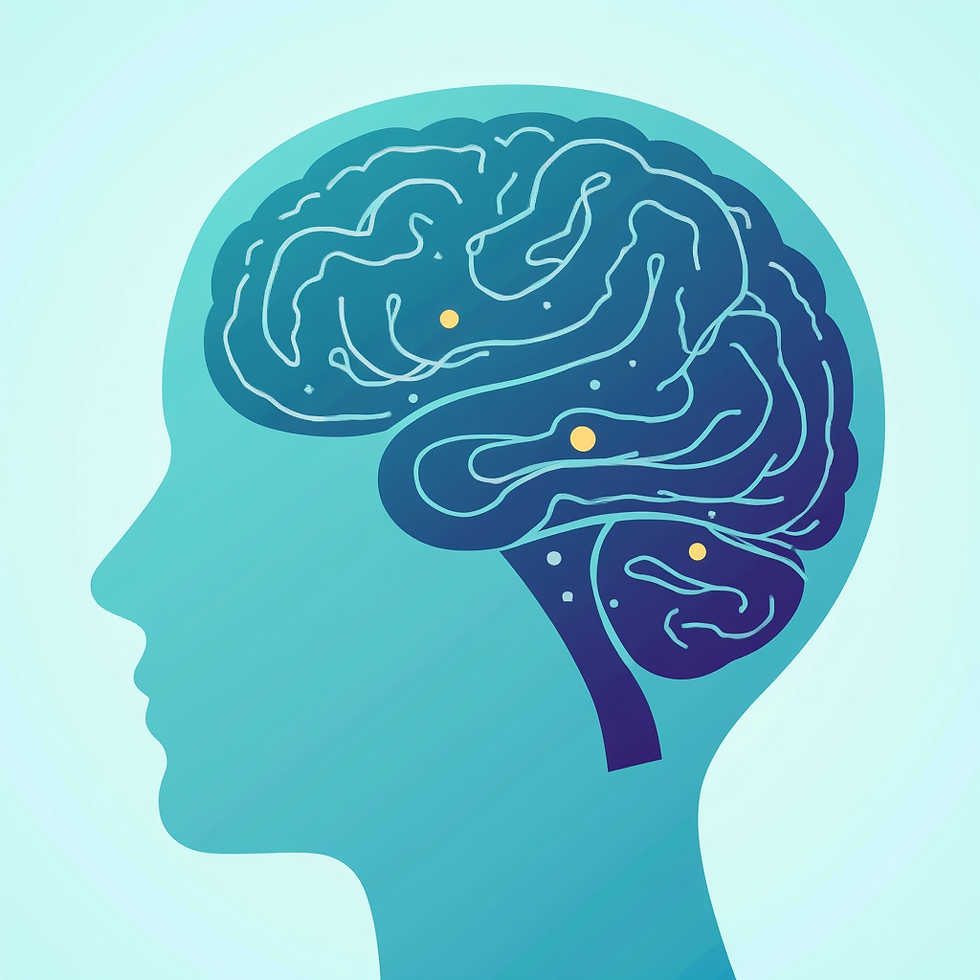
Trauma triggers a complex response in the brain. When a person experiences a traumatic event, the brain’s survival mechanisms activate, often flooding the system with stress hormones like cortisol. While this response is crucial for immediate survival, prolonged exposure to stress hormones can disrupt brain areas responsible for thinking, memory, and decision-making.
Key Brain Areas Affected by Trauma
Hippocampus: This area manages memory formation and retrieval. Trauma can shrink the hippocampus, leading to problems with recalling details or learning new information.
Prefrontal Cortex: Responsible for planning, attention, and impulse control, this region may become less active after trauma, causing difficulties in focusing or making decisions.
Amygdala: The brain’s alarm system, the amygdala, often becomes overactive, heightening fear responses and making it harder to regulate emotions.
These changes explain why trauma survivors often describe feeling “foggy” or mentally exhausted.
Common Cognitive Challenges After Trauma
People who have experienced trauma may notice several cognitive difficulties, including:
Memory Problems
Forgetting appointments, conversations, or important details can be frustrating and impact daily functioning.
Difficulty Concentrating
Staying focused on tasks or following through with plans may become a struggle.
Slowed Processing Speed
Thinking through problems or making decisions can take longer than before.
Trouble with Executive Functioning
Organizing tasks, managing time, and controlling impulses might feel overwhelming.
These challenges can affect work, relationships, and self-confidence, often leading to feelings of isolation or frustration.
How Therapy Supports Cognitive Recovery
Therapy plays a vital role in helping individuals rebuild cognitive skills affected by trauma. Different therapeutic approaches can address both emotional healing and cognitive restoration.
Types of Therapy That Help
Cognitive Behavioral Therapy (CBT)
CBT helps identify and change negative thought patterns that interfere with concentration and memory. It also teaches coping skills to manage stress.
Trauma-Focused Therapy
This approach directly addresses traumatic memories and their impact, helping the brain process and integrate these experiences more effectively.
Mindfulness-Based Therapy
Mindfulness practices improve attention and reduce anxiety, which can enhance cognitive clarity.
Practical Strategies Used in Therapy
Breaking tasks into smaller, manageable steps to reduce overwhelm.
Using memory aids like journals or digital reminders.
Practicing relaxation techniques to lower stress hormone levels.
Engaging in exercises that strengthen attention and problem-solving skills.
Therapy offers a supportive space to explore these strategies and tailor them to individual needs.
Everyday Tips to Support Cognitive Health After Trauma
Alongside therapy, simple lifestyle changes can improve cognitive functioning:
Regular Physical Activity
Exercise boosts brain health and reduces stress.
Healthy Sleep Habits
Quality sleep helps memory consolidation and mental clarity.
Balanced Nutrition
Eating nutrient-rich foods supports brain function.
Social Connection
Engaging with supportive friends or groups can reduce feelings of isolation.
Limiting Multitasking
Focusing on one task at a time helps improve concentration.
Incorporating these habits can create a foundation for cognitive recovery and overall well-being.
Recognizing When to Seek Help
If cognitive difficulties interfere significantly with daily life, it’s important to reach out for professional support. Therapy can provide tools and guidance to navigate these challenges effectively. Early intervention often leads to better outcomes, helping individuals regain control over their mental processes and improve quality of life.



Comments