

Understanding the Link Between Medical Trauma and PTSD Recovery

Medical trauma can leave deep emotional scars that last long after physical wounds heal. When a medical event triggers post-traumatic stress disorder (PTSD), the path to recovery can be complex and challenging. This article explores how medical trauma leads to PTSD, what symptoms to watch for, and practical steps toward healing.
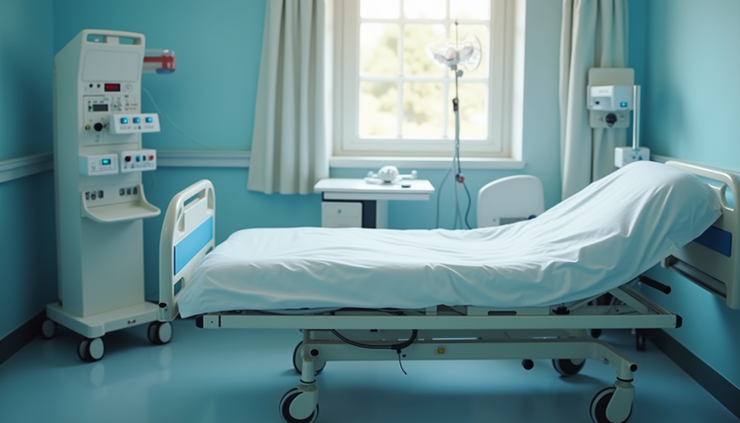
What Is Medical Trauma?
Medical trauma refers to the psychological and emotional distress caused by a medical event. This can include:
Life-threatening illnesses or injuries
Emergency surgeries or invasive procedures
Unexpected complications during treatment
Prolonged hospital stays, especially in intensive care units
Unlike physical injuries, medical trauma affects the mind and emotions. Patients may feel helpless, fearful, or overwhelmed during and after their medical experience.
How Medical Trauma Can Lead to PTSD
PTSD is a mental health condition triggered by experiencing or witnessing a traumatic event. While commonly associated with combat or accidents, medical trauma is a significant cause of PTSD. The connection happens because:
The event threatens life or bodily integrity.
The patient experiences intense fear, helplessness, or horror.
The trauma overwhelms the brain’s ability to process the experience.
For example, a patient who survives a severe heart attack but relives the moment of near-death repeatedly may develop PTSD symptoms. Similarly, someone who undergoes emergency surgery without warning might feel ongoing anxiety and flashbacks.
Recognizing PTSD Symptoms After Medical Trauma
PTSD symptoms can appear immediately or weeks to months after the traumatic event. Common signs include:
Intrusive memories: Flashbacks, nightmares, or unwanted thoughts about the medical event.
Avoidance: Steering clear of hospitals, doctors, or anything that reminds the person of the trauma.
Negative changes in mood: Feeling detached, hopeless, or emotionally numb.
Hyperarousal: Being easily startled, irritable, or having trouble sleeping.
These symptoms can interfere with daily life, relationships, and ongoing medical care. Recognizing them early helps patients seek the right support.
Why Medical Trauma PTSD Is Often Overlooked
Medical trauma PTSD is frequently missed because:
Symptoms overlap with physical recovery issues.
Patients may feel ashamed or afraid to discuss mental health.
Healthcare providers focus mainly on physical healing.
Patients may not connect their emotional struggles to the medical event.
Raising awareness among patients and providers is crucial to ensure timely diagnosis and treatment.
Steps Toward Recovery From Medical Trauma PTSD
Recovery involves addressing both the emotional and physical aftermath. Here are practical steps:
Seek Professional Help
Mental health professionals trained in trauma can provide therapies such as:
Cognitive Behavioral Therapy (CBT): Helps change negative thought patterns.
Eye Movement Desensitization and Reprocessing (EMDR): Targets traumatic memories.
Exposure Therapy: Gradually reduces fear by facing triggers safely.
Build a Support Network
Family, friends, and support groups offer understanding and encouragement. Sharing experiences with others who faced medical trauma can reduce feelings of isolation.
Practice Self-Care
Simple habits support healing:
Regular physical activity, as allowed by health status
Mindfulness and relaxation techniques to reduce anxiety
Maintaining a healthy sleep routine
Communicate With Healthcare Providers
Patients should inform their doctors about emotional struggles. Coordinated care between medical and mental health professionals improves outcomes.
Real-Life Example: Sarah’s Journey
Sarah survived a severe car accident that required emergency surgery. Though physically healed, she experienced nightmares and avoided follow-up appointments. After recognizing these as PTSD symptoms, she sought therapy. Through EMDR and support from her family, Sarah gradually regained confidence and resumed her medical care without fear.
The Importance of Early Intervention
Addressing PTSD symptoms early can prevent long-term complications such as depression, substance abuse, or chronic anxiety. Hospitals and clinics are increasingly integrating mental health screenings into post-trauma care to catch issues sooner.
Supporting Loved Ones Through Medical Trauma PTSD
If someone you know struggles after a medical event:
Listen without judgment
Encourage professional help
Offer practical support like attending appointments
Be patient; recovery takes time
Your support can make a significant difference.


Hey there, I came across playzilla while searching for newer casino sites that players in Australia were discussing online. At first I only planned to spend a few minutes looking around, but I ended up staying longer because the interface felt pretty straightforward. Some casino sites make navigation feel like solving a puzzle, but this one was easier to understand right away. I also appreciated that the pages loaded smoothly without random slowdowns while switching between different sections during browsing.